Plumbing · West Kensington, London
Power Flushing in West Kensington, London
A radiator that is hot at the top and cold at the bottom is telling you something about the water inside the system, and a power flush is the repair that answers it. [The Trusted Plumber West Kensington](/) takes the call on 07460 069834, matches an independently owned partner company that covers W14 and suits your heating system, and tells you honestly when a flush will not help.
Published London figures from 2026 put a power flush at about £320 to £720, depending on the number of radiators and the state of the system. That is a market range, not our price, and the partner company confirms its own in writing after a quick look at the boiler, the pump and the radiators. Nothing is flushed until you have agreed the figure.
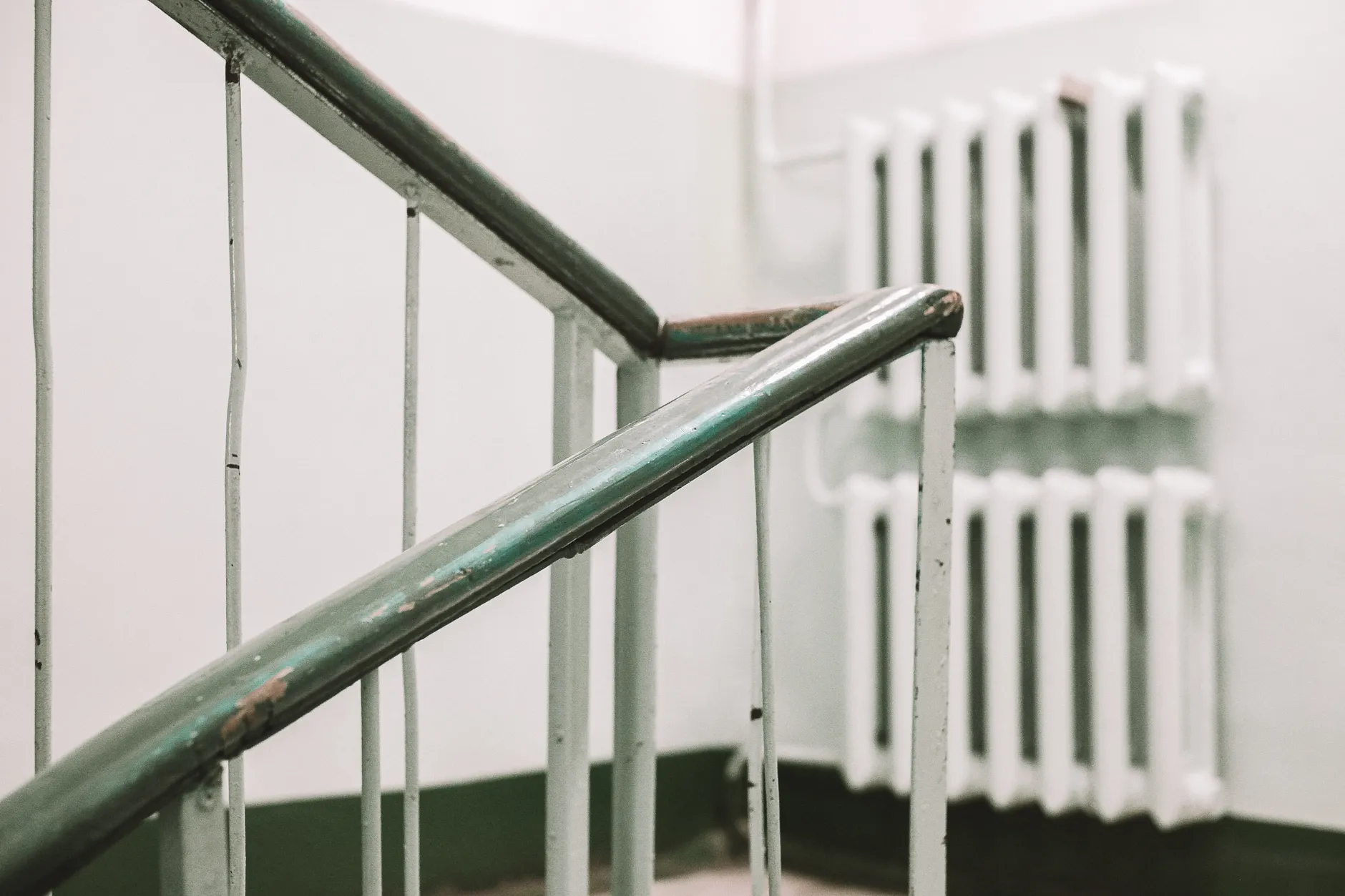
Why here? Thames Water supplies hard water, 266 mg/l as calcium carbonate in its 2025 City-zone report, and heating systems in old W14 buildings carry decades of magnetite sludge from corroding steel radiators and pipework. Flats in Victorian terraces and the mansion blocks off Queen's Club Gardens often have radiators on original runs, which makes circulation slow and boilers work harder.
A flush done properly follows BS 7593, the standard for treatment of water in domestic central heating. It involves cleaning, adding inhibitor to slow corrosion, and ideally fitting a magnetic filter so the sludge does not return. A flush with no inhibitor afterwards is half a job.
Ring with the symptom, the building and the boiler type, and a written quote follows. The partner company texts its name before it arrives.
24-hour line · Open 24 Hours
Call now07460 069834Speak to a real person straight away. Or request a free quote
What We Do
What a Power Flush Actually Involves
The machine does the shifting; the preparation decides whether it works.
Pre-Checks and Pressure Test
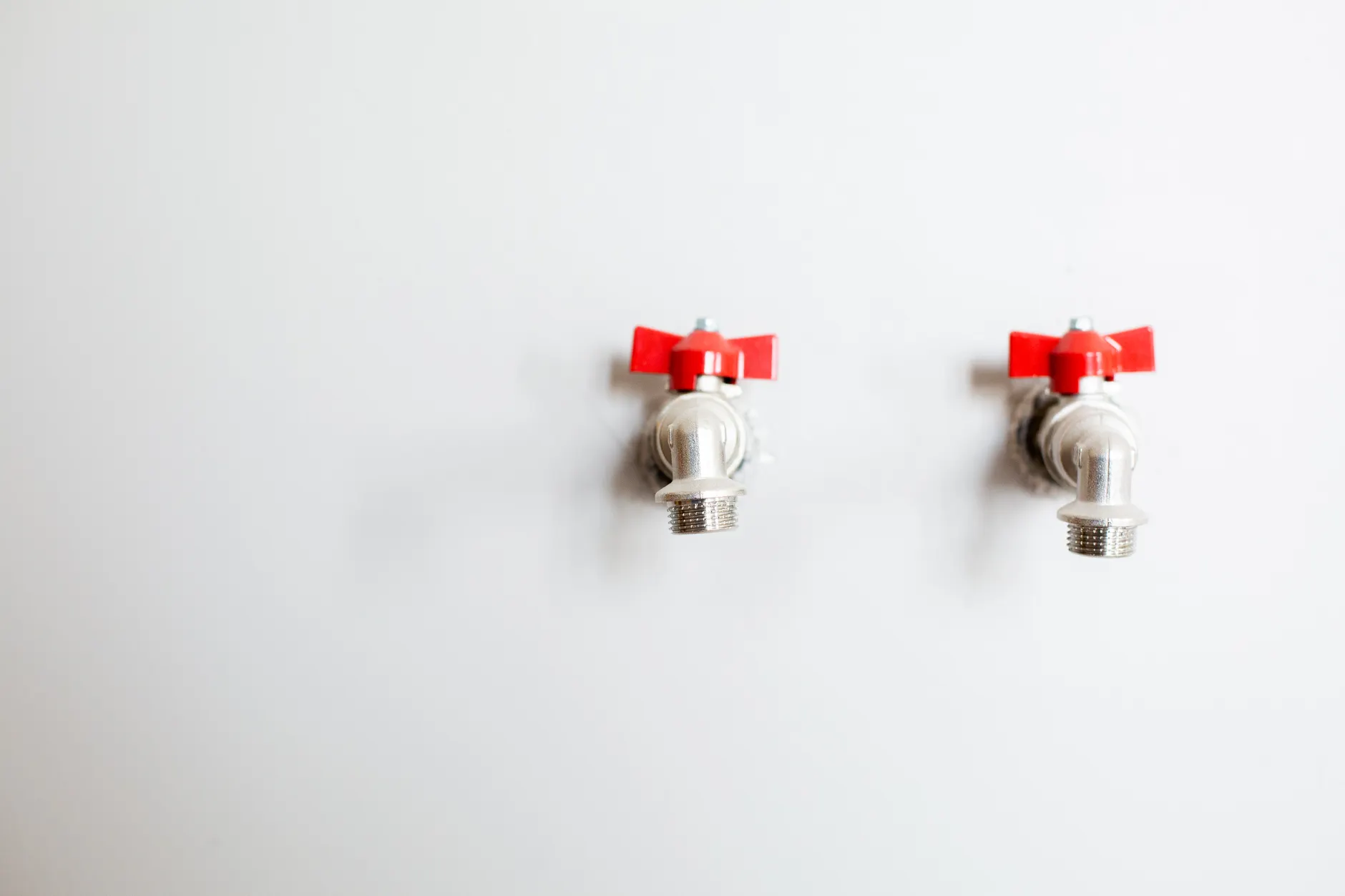
Before water goes through, the partner company checks the pump, valves and radiators for leaks, because a flush puts more flow through than normal operation does. Old pipework that was barely holding on can fail under it, and you are told that risk in writing before the work begins.
Reversing Flow and Clearing Sludge
A pump is connected to the system and flow is repeatedly reversed through each radiator in turn, with a cleaning chemical doing the loosening. Dirty water runs to a drain until it runs clear. Radiators are tapped and checked, because stubborn sludge sits low in the panel.

Inhibitor, Filter and Record
Fresh inhibitor goes in to protect against corrosion and scale, and a magnetic filter catches what is left. The partner company records what was added and the readings after flushing. That record matters if a boiler warranty is ever queried.
The Benefits
How We Keep a Flush Honest
Not every cold radiator needs a flush.
Diagnosis Before Quote
A stuck valve, trapped air or an unbalanced system produce the same symptoms as sludge. The partner company checks the cheap causes first, so you are not charged for a flush that was never needed.
Built to BS 7593
The flush, inhibitor and filtration follow BS 7593 and the boiler maker's instructions, so the system you end up with is one the manufacturer is happy to warrant.
A Number That Chases
If cold spots return or a radiator leaks after the flush, ring us. We chase the partner company, and you do not start again with someone new.
Good to Know
Signs Your System Needs Attention
Sludge builds slowly, then announces itself.
Common Symptoms
Several of these together point to sludge.
- Radiators cold at the bottom, hot at the top
- Slow heating and a boiler that runs longer
- Black water when a radiator is bled
- Banging or kettling from the boiler
- Radiators that need frequent bleeding
When a Flush Is Not the Answer
Honest advice sometimes means no flush.
- Corroded pipework that is already leaking
- Radiators with seized valves needing replacement
- A boiler pump that has failed
- A system with no inhibitor and no filter planned
- Very old radiators that may not survive the flow
Why Us
Heating Systems in W14 and W6
Where the pipes are decides what the flush has to deal with.
Mansion Block Systems
Communal heating in blocks built from 1892 serves several flats. Before anything is flushed, the partner company asks the managing agent which circuits are shared, so a neighbour's radiators are not affected.
Converted Terrace Flats
One boiler per flat is common, with pipework laid under old floorboards. The partner company checks accessible joints first and warns you about any hidden section.
Houses Near Brook Green
Larger Victorian townhouses have long pipe runs and many radiators, which pushes the price toward the upper end of the London range but also the benefit.
A flush often follows a service that found sludge. See boiler servicing for that routine, or boiler installation if a new boiler is on the way. All our work is listed under services.
What Sludge Is and Why It Forms
Heating water in a sealed circuit is meant to stay put. In practice, steel radiators and old pipework corrode slowly from the inside, and the iron oxide that results settles at the bottom of radiators as black sludge. It blocks flow, insulates the metal from the water and puts strain on the pump and heat exchanger.
Why Old Buildings Suffer More
Radiators from earlier decades, pipework on original runs and systems topped up repeatedly with fresh water all feed corrosion. West Kensington has plenty of all three, from Victorian terraces to mansion blocks.
How to Judge the Quote
A flush quote should state the number of radiators, what chemicals are used, whether a filter is included, and what the partner company will do if a radiator leaks mid-flush. It should also tell you whether the price changes for a system with a pump failure or sealed-off sections.
Timing and Access
Flushes work best out of the heating season, but a cold radiator does not wait for spring. Tell us about parking, access and any shared circuits at booking.
Cost Factors in Plain Terms
Radiators and Access
Price follows the number of radiators and how easily each can be reached. A one-bed flat with five radiators sits at the lower end of the published £320 to £720 London range, while a large townhouse with a dozen or more sits towards the top. Furniture in front of radiators and carpeted floors add time.
Extras That Change the Total
A magnetic filter, new radiator valves, replacement of a seized pump and any repair of leaks found during the flush are quoted separately. The partner company lists them on the written quote, with a clear line between the flush and anything else, so the total never grows without your agreement.
After the Flush
First Week
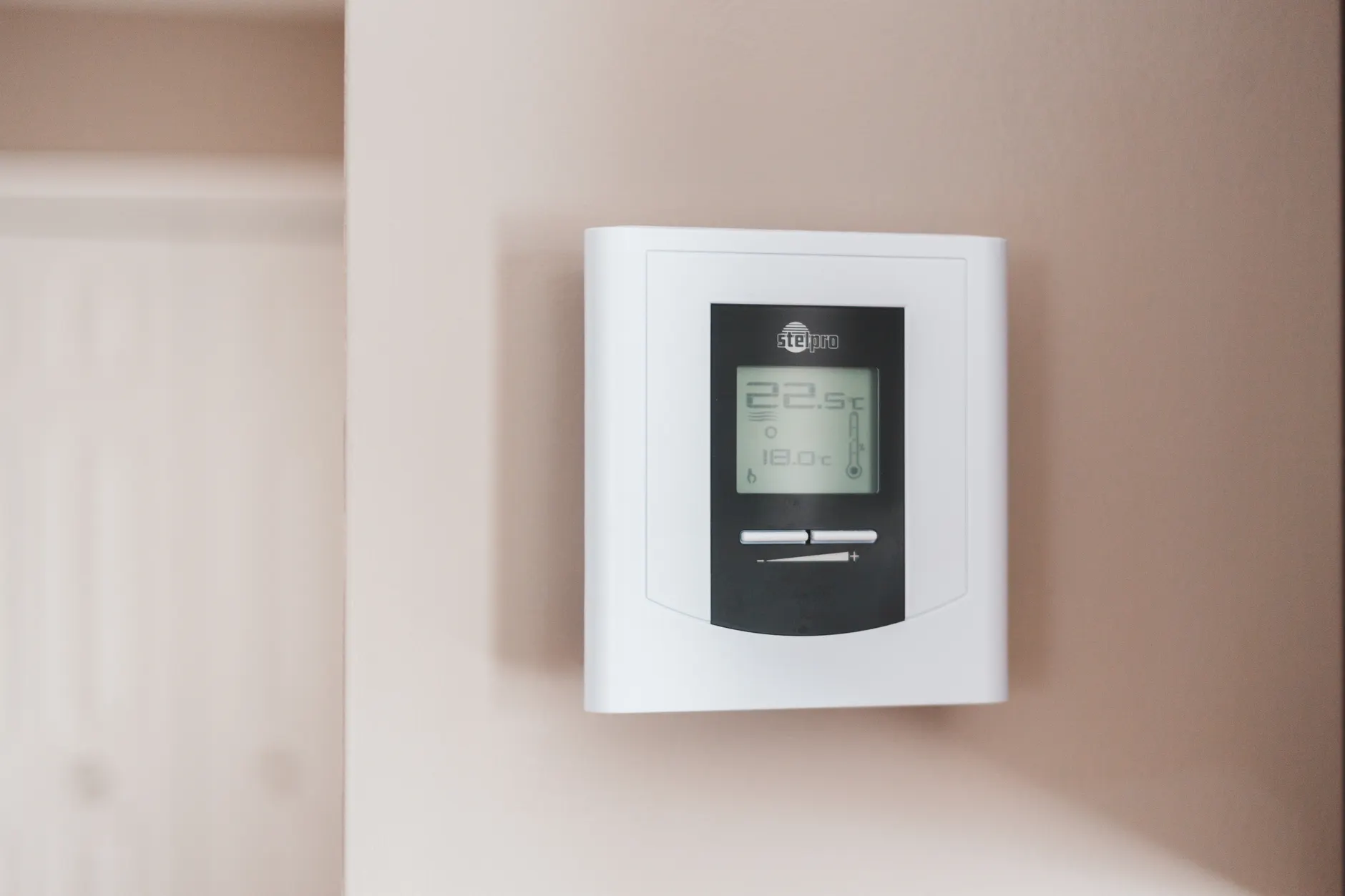
Expect the system to be noisier for a day or two as air works out, and bleed radiators gently if the partner company has not done so. Check the pressure gauge on the boiler, because a flush can change it. If anything seems wrong, ring us instead of waiting.
Keeping It Clean
An annual service that tests the inhibitor level, cleans the magnetic filter and looks for new corrosion is the surest way to avoid repeating the flush. Our boiler servicing page explains the routine, and the written record helps if a warranty is queried.
Rented Flats
Tenants should tell the landlord or managing agent about cold radiators in writing. A landlord who arranges the flush through us gets one written quote, one partner company and one number to ring if the problem recurs.
Before You Ring
Note which radiators are cold and where, how old the boiler is, whether a filter is fitted and when the system was last serviced. Mention the building type and any shared heating. A photo of the boiler's label helps us match the right partner company, and the quote that follows comes in writing before any chemicals are ordered.
Frequently Asked Questions
How much does a power flush cost in West Kensington?
Published 2026 London figures put a power flush at roughly £320 to £720, depending on the number of radiators and the condition of the system. That is a market range, not our price. The partner company assesses the system and confirms its own figure in writing before any flushing begins. The quote should list the number of radiators and any extras such as a filter, so you can compare it fairly with another.
What is the difference between a power flush and bleeding radiators?
Bleeding releases trapped air from a single radiator and takes a few minutes. A power flush pumps cleaning chemical and water through the whole system in both directions to shift sludge. Try bleeding first if a radiator is cold at the top. If it is cold at the bottom, sludge is the likelier cause. If you are unsure which applies, describe the cold spots to us and the partner company will advise before any flush is booked.
What does BS 7593 have to do with it?
BS 7593 is the British Standard covering treatment of water in domestic central heating. A flush done to it includes cleaning, a correct inhibitor dose and sensible filtration afterwards. Ask for the record of what was added. A flush that skips the inhibitor lets corrosion restart almost immediately. Ask for the type and quantity of chemicals used to be written on the record, which is also useful for later servicing.
Will a flush damage old radiators or pipes?
It can expose weaknesses, because flow through a system during a flush is stronger than normal operation. Pipes and radiators already corroded may leak once the sludge plugging them is shifted. The partner company checks the system first and tells you about that risk in writing before it begins. A cautious partner company will isolate or test suspect radiators first and tell you plainly where a leak might appear.
Why is the water so hard here, and does it matter?
Thames Water says all the water in its region is hard, and reported 266 mg/l for the City zone in 2025. Hard water mostly affects hot-water side components like combi heat exchangers rather than sealed heating circuits, but scale and sludge together shorten a boiler's life. Treatment and annual servicing help. In short, hardness is a background factor, and sludge in the circuit is the usual cause of cold radiators.
Do I need a magnetic filter?
Strongly advised. A magnetic filter catches the iron oxide that corrodes off radiators and pipes, so it does not circulate back to the boiler. It costs far less than a replacement heat exchanger. The partner company quotes it with the flush, and a filter needs cleaning at each annual service. Ask for it to be fitted on the return pipe near the boiler, where it catches the most debris.
Can a flush be done in a mansion block flat?
It can, but check whether your heating is shared. Where the building has communal pipework, the managing agent should know before anyone drains down. For one-boiler-per-flat systems, the flush is contained to your flat. The partner company asks about the building when you book. Tell us the building type and name of the block when you ring, which helps us match a partner company used to shared systems.
How long does a power flush take?
A typical flat takes several hours; a larger house with many radiators may need most of a day. The partner company gives its estimate in the written quote. We do not promise arrival times, but we text the company's name before it turns up, and you can ask about parking or access. Allow extra time if furniture has to be moved or radiators are hard to reach behind fixed units.
Should I flush before fitting a new boiler?
Usually yes. Sludge from old radiators can damage a new heat exchanger, and some manufacturers expect the system to be cleaned before they honour a warranty. See our boiler installation page for London price ranges, or ask the partner company to include a flush in the replacement quote. Fitting a new boiler into a dirty system is a common cause of early heat exchanger failure, so the extra cost is usually worth it.
What if my boiler has already broken down?
A broken boiler is a repair first and a flush second. Ring us and the partner company diagnoses it. If sludge caused the fault, the flush is quoted separately and you decide. Our emergency boiler repair page covers common faults and published London repair ranges. Do not book a flush on a boiler that is not firing, since the cause of the failure must be found first.
Who is paid for the flush?
The partner company carrying out the flush quotes, invoices and takes payment directly. We handle no invoices or payments. If something seems wrong afterwards, ring us on 07460 069834 and we will chase the partner company so you do not have to start again. Keep a copy of the quote and receipt with your boiler paperwork, which is useful at the next service.
Will the radiators stay clean afterwards?
They stay cleaner for much longer with inhibitor and a magnetic filter in place. Check the inhibitor level at each annual service, because it depletes. If the water turns black again within months, there is probably a hidden corrosion problem that needs finding. See boiler servicing for a routine that catches it. A magnetic filter, kept clean, is what makes the difference between a flush that lasts and one that does not.